End-Term Evaluation of the Provision of Livelihood Assistance to Refugees and Host Community Populations Project (Emergency Employment and Social Protection Support)
Client: World Vision (WV) and United Nations Development Programme (UNDP)
Implementation Period Evaluated: December 2019 – January 2020
Location: Arua, Adjumani, and Yumbe Refugee Settlements, Uganda
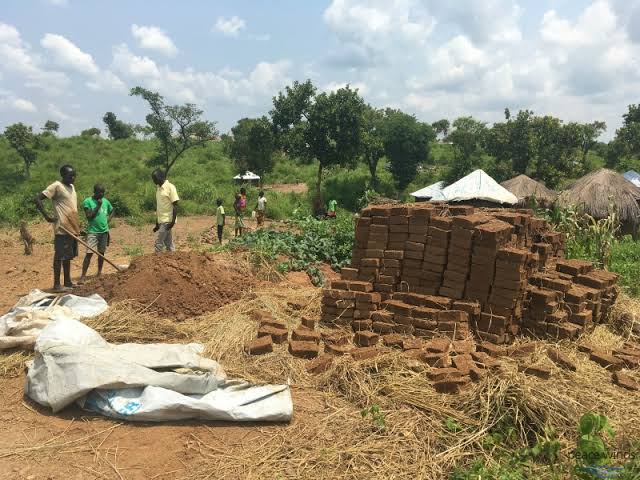
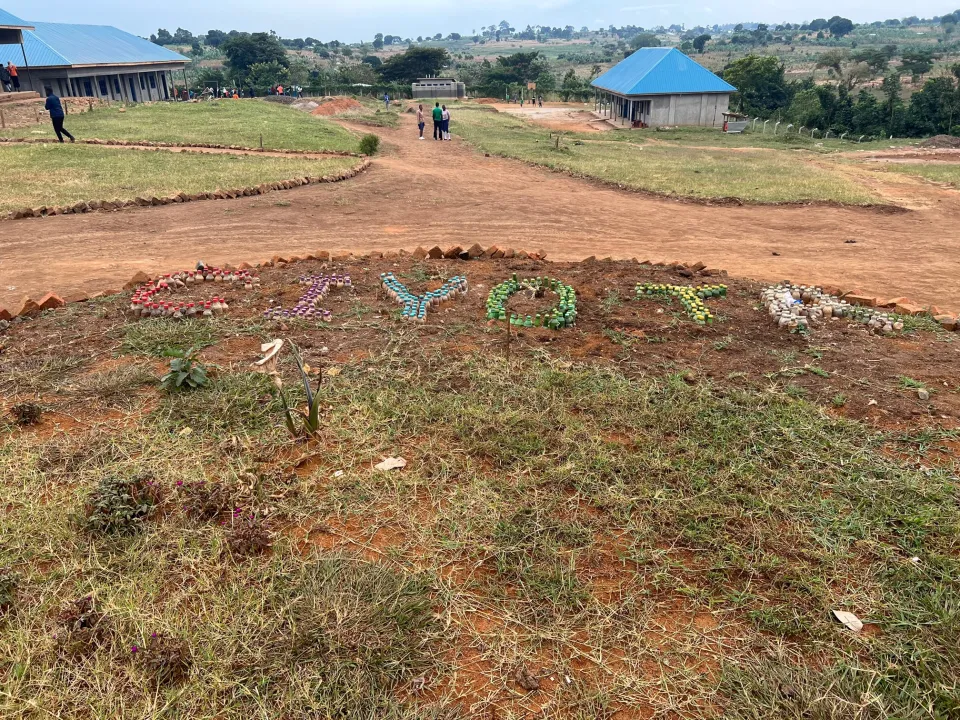
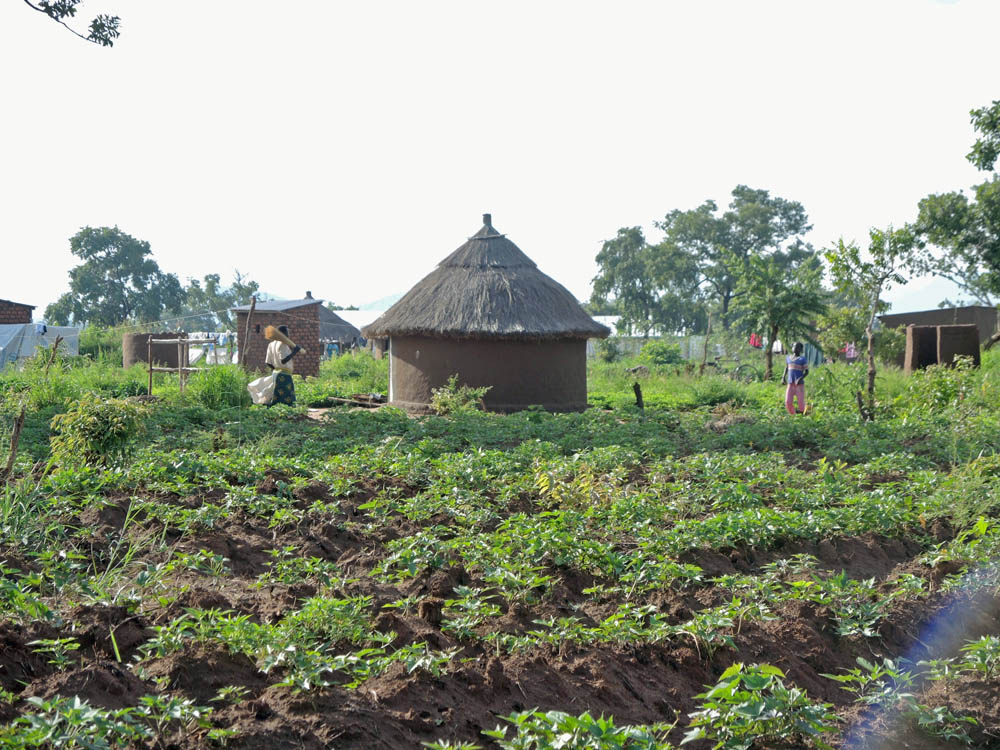
Our team successfully conducted a comprehensive end-term evaluation of the Provision of Livelihood Assistance to Refugees and Host Community Populations Project, an emergency employment and social protection initiative implemented by World Vision (WV) in partnership with the United Nations Development Programme (UNDP) across the refugee-hosting districts of Arua, Adjumani, and Yumbe in Northern Uganda.
The evaluation was designed to provide an independent assessment of the project’s overall performance, effectiveness, relevance, efficiency, sustainability, and impact in strengthening livelihoods and improving socio-economic resilience among refugees and vulnerable host communities. Implemented within one of the world’s largest refugee-hosting regions, the project sought to enhance economic recovery, create short-term employment opportunities, strengthen social protection systems, and improve household resilience in communities affected by displacement.
Our assignment involved designing and implementing a rigorous evaluation methodology that combined both quantitative and qualitative research approaches. We undertook extensive fieldwork across multiple refugee settlements and surrounding host communities, engaging a broad spectrum of stakeholders including project beneficiaries, community leaders, district local government officials, implementing partners, development agencies, and technical staff. Data collection methods included household surveys, key informant interviews, focus group discussions, field observations, document reviews, and validation meetings to ensure the credibility and reliability of the findings.
The evaluation assessed the extent to which project objectives were achieved, the quality of implementation, beneficiary satisfaction, inclusiveness of vulnerable groups, gender and social equity considerations, accountability mechanisms, value for money, and the sustainability of project interventions beyond donor support. Particular attention was given to understanding how emergency employment opportunities and social protection interventions contributed to improving household income, food security, self-reliance, and community resilience among refugee and host populations.
Using internationally recognized evaluation frameworks and OECD-DAC evaluation criteria, our team identified key achievements, implementation challenges, lessons learned, and best practices that informed evidence-based recommendations for future programming. The study also examined institutional coordination, stakeholder participation, capacity strengthening efforts, and the effectiveness of partnerships in delivering humanitarian and development outcomes.
The final evaluation report provided World Vision and UNDP with strategic recommendations to strengthen future livelihood programming, improve targeting mechanisms, enhance sustainability, optimize resource utilization, and support the transition from humanitarian assistance toward long-term resilience and economic empowerment.
This assignment demonstrated our firm’s expertise in conducting high-quality evaluations of complex humanitarian and development programmes. Our ability to generate robust evidence, provide practical recommendations, and deliver actionable insights continues to support governments, United Nations agencies, international NGOs, and development partners in designing more effective, accountable, and sustainable interventions for vulnerable populations.