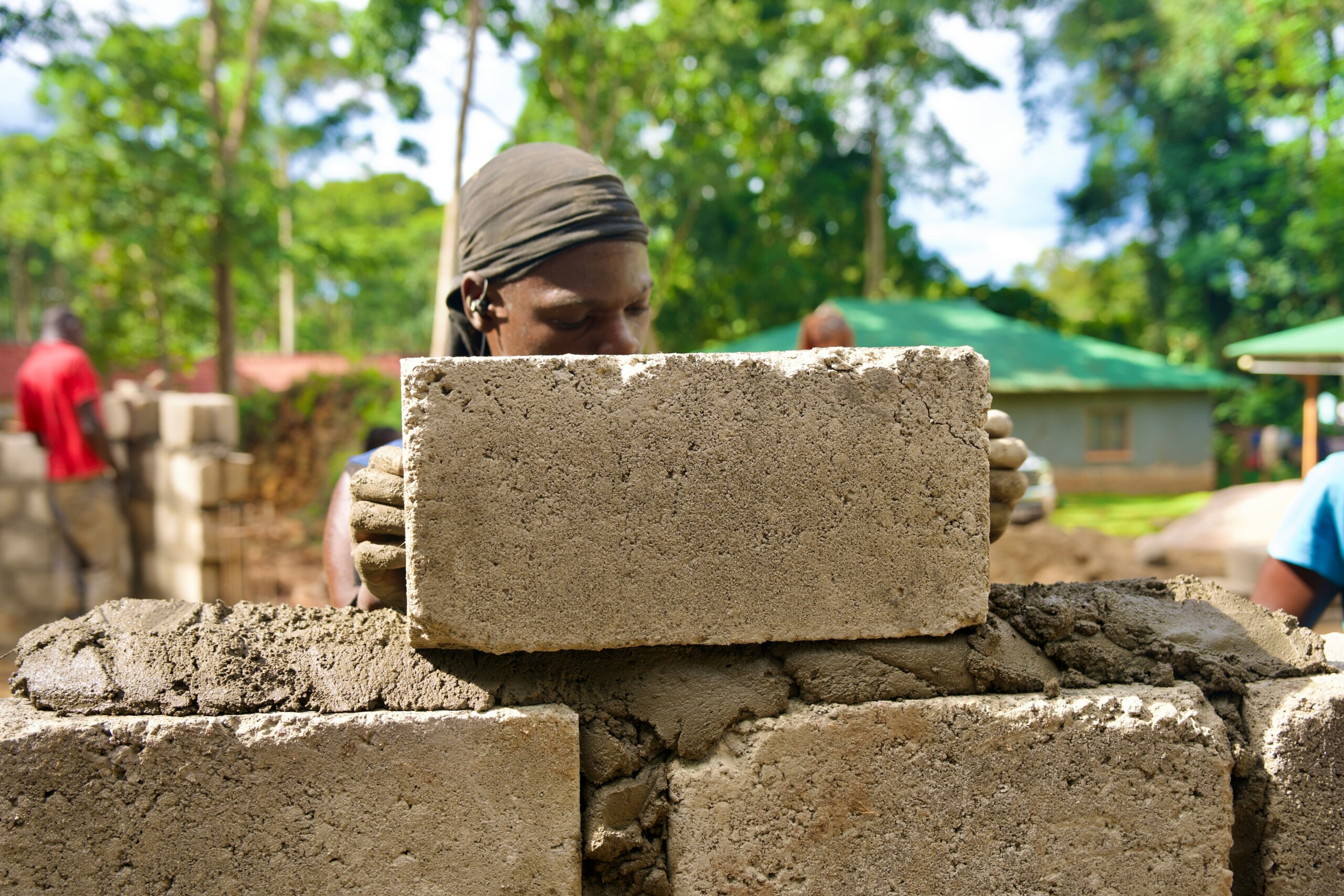
Citizen Engagement and Household Beneficiary Impact Assessment for the Transforming Landscapes for Resilience and Development (TRALARD) Project.
Client: Republic of Zambia – Ministry of Green Economy and Environment
Project Period: June–September 2025
Our firm successfully implemented the Citizen Engagement and Household Beneficiary Impact Assessment for the Transforming Landscapes for Resilience and Development (TRALARD) Project, commissioned by the Republic of Zambia’s Ministry of Green Economy and Environment. This strategic assignment was undertaken to generate robust evidence on the effectiveness of citizen engagement mechanisms and to evaluate the socio-economic impact of the project’s livelihood interventions at the household level.
The assessment was designed to provide an independent and comprehensive evaluation of how the TRALARD Project engaged communities throughout the project cycle and the extent to which its interventions contributed to improving the livelihoods, resilience, and well-being of beneficiary households. As a flagship landscape restoration and climate resilience initiative, the project sought to promote sustainable natural resource management while enhancing economic opportunities for rural communities across Zambia.
Our team designed and implemented a rigorous mixed-methods evaluation framework, integrating quantitative household surveys with qualitative research approaches to capture both measurable outcomes and community perspectives. Extensive fieldwork was conducted across multiple project implementation areas, engaging beneficiary households, community leaders, local government authorities, project implementation teams, traditional leaders, civil society organizations, and other key stakeholders. Data collection methods included structured household interviews, focus group discussions, key informant interviews, participatory community consultations, field observations, and comprehensive document reviews to ensure a robust and evidence-based assessment.
A major component of the assignment focused on evaluating the effectiveness of the project’s citizen engagement strategy. The assessment examined how successfully the project communicated with communities, disseminated information, encouraged participation, managed stakeholder expectations, and established mechanisms for consultation, feedback, transparency, and accountability. Particular attention was given to determining whether beneficiaries were meaningfully involved in project planning, implementation, monitoring, and decision-making processes, rather than simply serving as recipients of project interventions.
The study also assessed the inclusiveness of the project’s engagement processes by examining the participation of women, youth, persons with disabilities, vulnerable households, and other marginalized groups. Our evaluation explored whether these populations had equitable access to project opportunities, information, decision-making platforms, and livelihood support, while identifying barriers that could limit meaningful participation.
Beyond citizen engagement, the assessment comprehensively evaluated the household-level impact of the project’s livelihood interventions. The evaluation analyzed changes in household income, food security, employment opportunities, agricultural productivity, asset ownership, environmental stewardship, resilience to climate-related shocks, and overall socio-economic well-being. The study further examined beneficiaries’ perceptions of the project’s effectiveness, sustainability, and contribution to improving household livelihoods and community resilience.
Applying internationally recognized monitoring and evaluation principles and globally accepted evaluation standards, our team analyzed project relevance, effectiveness, efficiency, sustainability, equity, and long-term developmental impact. The assessment generated valuable evidence on project performance, documented best practices, identified implementation challenges, and highlighted lessons that can strengthen future landscape restoration and community development programmes.
The final report delivered practical, evidence-based recommendations to the Ministry of Green Economy and Environment for strengthening citizen engagement, enhancing beneficiary participation, improving communication and accountability systems, increasing the effectiveness of livelihood interventions, and maximizing sustainable development outcomes in future programming. The findings also informed strategic decision-making and contributed to strengthening Zambia’s efforts toward climate resilience, sustainable landscape management, and inclusive rural development.
This assignment further demonstrates our expertise in delivering high-quality monitoring, evaluation, and impact assessment services for complex government, donor-funded, and development programmes. Our experience in evaluating large-scale environmental, climate resilience, and livelihood initiatives enables us to provide clients with credible evidence, strategic insights, and actionable recommendations that support improved programme performance, accountability, and lasting development impact.