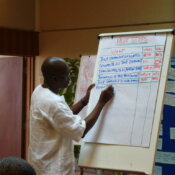
A well-designed Theory of Change (ToC) is more than a diagram filled with boxes and arrows it’s the strategic blueprint that explains how and why a programme is expected to create meaningful change. Yet many organizations develop Theories of Change simply to satisfy donor requirements, only to shelve them once implementation begins. The most successful organizations treat them as living frameworks that guide every stage of project planning, implementation, monitoring, and evaluation.
Start with the Change, Not the Activities
One of the most common mistakes is designing a Theory of Change around project activities rather than the desired impact. A strong ToC begins by defining the long-term change the programme seeks to achieve and then works backwards to identify the outcomes, outputs, and assumptions necessary to reach that goal. This approach ensures that every activity contributes directly to the project’s overall purpose.
Make Your Assumptions Explicit
Every development programme is built on assumptions. Will farmers adopt new technologies? Will communities embrace behavior change? Will government institutions continue supporting the intervention after funding ends? Identifying and testing these assumptions early allows organizations to anticipate risks, adapt implementation strategies, and improve the likelihood of success.
Keep It Practical
A Theory of Change should be clear enough that everyone—from project managers to field officers and community stakeholders—can understand it. Overly complex diagrams with dozens of outcomes often become difficult to implement and monitor. Simplicity encourages ownership and ensures the framework remains useful throughout the project lifecycle.
Build It with Stakeholders
The strongest Theories of Change are developed through consultation, not in isolation. Engaging beneficiaries, government agencies, technical experts, implementing partners, and community leaders brings diverse perspectives that strengthen the programme design and create shared ownership of expected results.
Link It to Monitoring and Evaluation
A Theory of Change should directly inform what is measured. Each outcome should have clear indicators that allow organizations to track progress, assess effectiveness, and generate evidence for learning and decision-making. When monitoring systems are aligned with the Theory of Change, data becomes more meaningful and actionable.
Be Ready to Adapt
Development takes place in dynamic environments where priorities, risks, and community needs can change rapidly. A Theory of Change should evolve as new evidence emerges. Periodic reviews help organizations refine assumptions, adjust interventions, and ensure the programme remains relevant and effective.
A Theory of Change is not just a planning tool, it is the foundation of effective development programming. When thoughtfully designed and actively used, it aligns stakeholders around a shared vision, strengthens accountability, improves decision-making, and provides a clear pathway from activities to lasting impact. Organizations that invest time in building practical, evidence-driven Theories of Change are far better positioned to deliver sustainable results and demonstrate the value of their investments.